

Don’t Make These 5 Costly Window-Buying Mistakes
Buying new windows is one of the most impactful home improvement investments you can make, improving energy efficiency, curb appeal, and indoor comfort all at once. But it’s also one of the easiest projects to get wrong, and the mistakes can cost you thousands of dollars in wasted money, poor performance, or premature replacements.
Key Takeaways
- Choosing the wrong window type for your climate or home style is one of the most common and costly errors.
- Getting only one quote leaves you vulnerable to overpaying or accepting substandard materials.
- Energy efficiency ratings like U-factor and Solar Heat Gain Coefficient (SHGC) matter as much as the frame material.
- Proper installation is just as important as the window itself; poor installation voids warranties and causes leaks.
- Focusing only on upfront price rather than total lifetime value almost always leads to regret.
- Raleigh Window Company helps homeowners in the Raleigh area navigate all of these decisions with expert guidance.
Why So Many Homeowners Struggle With Window Purchases
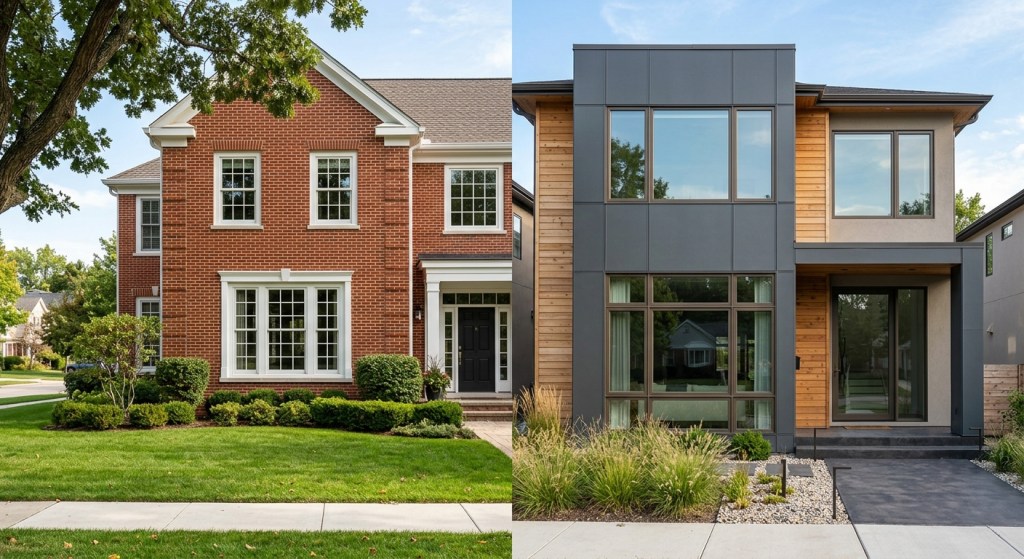
Windows seem straightforward until you actually start shopping. The market is flooded with options: double-hung, casement, bay, awning, picture windows, triple-pane glass, low-E coatings, fiberglass frames, vinyl frames, wood frames, and on it goes. Without a clear framework, it is easy to get overwhelmed and make a decision based on the wrong factors.
Understanding the most common pitfalls before you start shopping puts you in a much stronger position. Here are the five mistakes that consistently trip up homeowners, and how to avoid each one.
Mistake 1: Choosing Windows Based on Price Alone
The sticker price of a window tells you very little about its actual value. A budget vinyl window might cost $150 to $300 per unit, while a high-performance fiberglass window could run $400 to $800 or more. On the surface, the cheaper option looks attractive. Over five to ten years, however, the math often flips.
Low-quality windows tend to have poor insulation ratings, meaning your HVAC system works harder year-round. In a North Carolina climate like Raleigh, where summers push past 95°F and winters dip into the 20s, that thermal gap adds up fast on your monthly utility bill. Poorly sealed or low-grade frames also degrade faster, warping or cracking within a decade and requiring earlier replacement.
When comparing quotes, look at the full picture:
- Frame material and expected lifespan
- Glass package (double-pane vs. triple-pane, low-E coating)
- U-factor and SHGC ratings (lower U-factor means better insulation)
- Warranty terms for both product and labor
- Installer reputation and experience
You can get a clearer sense of what fair pricing looks like by reviewing window replacement cost in 2026 before you start collecting quotes.
Mistake 2: Ignoring Energy Performance Ratings
Walk into any big-box home improvement store and you will see windows stacked from floor to ceiling, most of them with an ENERGY STAR label. But not all ENERGY STAR certified windows perform the same way, and many homeowners assume the label alone is enough to guarantee energy savings.
Two numbers matter most:
U-factor: Measures how well the window resists heat transfer. In the Northern and North-Central climate zones used by the U.S. Department of Energy, a U-factor of 0.27 or lower is recommended for maximum efficiency. In milder southern climates, 0.30 to 0.35 can still perform well.
Solar Heat Gain Coefficient (SHGC): Measures how much solar radiation passes through the glass. In warmer climates where cooling costs dominate, a lower SHGC (under 0.25) helps keep your home cooler. In colder northern climates, a higher SHGC can actually help with passive solar heating in winter.
The U.S. Department of Energy’s window performance guidelines explain how these ratings interact with your specific climate zone. Matching those ratings to your region rather than just buying the most expensive glass package is the smarter move.
Mistake 3: Skipping the Style and Fit Research
New windows are not one-size-fits-all. The opening size, wall depth, interior and exterior trim, and architectural style of your home all influence which window types will look and function best. Homeowners who skip this step often end up with windows that operate awkwardly, look out of place, or require expensive custom trim work to finish properly.
Before you finalize any order, ask yourself:
- Does the window style match the architecture of my home? (Colonial homes typically suit double-hung windows; contemporary homes often work better with casement or picture windows.)
- Is the rough opening size standard, or will custom sizing be needed?
- What interior and exterior finishes are currently on the home, and will the new frames match?
- Does the window operation style make sense for the room? (Awning windows work well in bathrooms for ventilation without rain entering; casements offer full-open ventilation in living areas.)
For a more detailed breakdown of how to match window types to home styles and room functions, the resource on how to choose the right windows for your home is worth reviewing carefully before you finalize anything.
Mistake 4: Getting Only One Quote
This mistake is surprisingly common, even among homeowners who would never buy a car or hire a contractor for a major remodel without shopping around. The window industry has significant price variation between installers, not just in labor costs but in the products they carry and how they handle installation details like flashing, insulation, and trim.
Getting at least three quotes from licensed, reputable window contractors gives you:
- A realistic sense of the market rate in your area
- A chance to compare what each quote actually includes
- Leverage to ask better questions about materials and warranty
- Protection against contractors who low-ball the initial quote and upcharge later
When reviewing quotes, ask specifically whether the price includes removing and disposing of old windows, whether new exterior flashing will be installed, and whether the quote covers interior trim or casing. These details vary widely between contractors and can represent hundreds of dollars per window in hidden costs.
The National Fenestration Rating Council is a useful resource for understanding the standardized performance labels on windows, which makes it easier to compare products across competing quotes on an apples-to-apples basis.
Mistake 5: Underestimating the Importance of Installation
You can buy the highest-rated, most expensive windows on the market and still end up with drafty rooms, water infiltration, and voided warranties if the installation is done poorly. According to the U.S. Department of Energy, improper window installation is one of the primary causes of moisture damage and heat loss in homes, even in newer construction.
What separates a quality installation from a sloppy one includes:
- Proper shimming and leveling so the window operates smoothly and seals correctly
- Continuous flashing around the exterior perimeter to prevent water infiltration
- Adequate insulation in the gap between the window frame and rough opening
- Correct application of interior and exterior caulking and trim
- Final inspection to confirm all operable sashes open, close, and lock as intended
Ask any contractor you are considering for references from past window installation projects. A reputable installer will be happy to provide them. Raleigh Window Company, for example, builds its reputation on installation quality as much as on the products it carries, because both matter equally to long-term performance.
How to Compare Window Options Before You Commit
Once you understand the five mistakes above, the shopping process becomes much more manageable. Here is a quick comparison table of the most common window frame materials to help you weigh your options:
| Frame Material | Average Lifespan | Insulation Value | Maintenance Level | Approximate Cost Per Window |
|---|---|---|---|---|
| Vinyl | 20-40 years | Good | Low | $150 – $400 |
| Fiberglass | 30-50+ years | Excellent | Very Low | $400 – $900 |
| Wood | 20-30 years | Good | High | $300 – $800 |
| Aluminum | 30-40 years | Poor | Low | $200 – $500 |
| Composite | 25-40 years | Very Good | Low | $300 – $700 |
Note: Cost ranges are approximate and vary by region, window size, and installer. Always get itemized quotes for your specific project.
For additional context on window performance standards, the Lawrence Berkeley National Laboratory’s Windows and Daylighting research offers peer-reviewed data on how different window technologies perform in real-world conditions.
What Makes Raleigh Window Company Different
Raleigh Window Company has built its business around helping homeowners avoid exactly the mistakes described above. From the initial consultation through final installation, the team walks you through material options, performance ratings, and realistic cost expectations so you are never making a decision in the dark.
The company focuses on matching the right product to each specific home and climate situation rather than pushing a one-size-fits-all solution. That approach matters especially in the Raleigh, North Carolina market, where humidity, temperature swings, and the mix of historic and newer home styles create real variation in what works best from property to property.
Common Window Problems You Should Know About Before Shopping
Even well-chosen windows can develop issues over time if they are not the right fit for the home or climate. Some of the most frequently reported problems include:
- Condensation between panes: This signals a failed seal in the insulating glass unit. Once the seal breaks, the window’s thermal performance drops significantly.
- Difficulty opening or closing: Often caused by warped frames (common in wood windows in humid climates) or improper installation.
- Drafts around the frame: Usually the result of failed caulking, insufficient insulation during installation, or a frame that has shrunk or warped over time.
- Water infiltration: Can occur at the sill, the frame-to-wall junction, or through failed weatherstripping. This is one of the most damaging problems because it leads to mold and structural rot if left unaddressed.
- Fading interior furnishings: Older windows without low-E coatings allow ultraviolet radiation to pass through freely, bleaching fabrics, flooring, and artwork over time.
Being aware of these problems before you shop helps you ask better questions about how the products you are considering address each one. The Mayo Clinic’s guidance on indoor mold is a useful reminder of why water infiltration through failed windows is a genuine health concern, not just a cosmetic one.
Making a Confident Decision on Your Next Window Project
Buying new windows does not have to be a stressful or confusing process. When you go in knowing what to prioritize, which ratings actually matter, and which contractor red flags to watch for, you are well-positioned to make a purchase you will be satisfied with for decades.
Frequently Asked Questions
Q: What to know before buying replacement windows?
Understand your window measurements, frame condition, and energy performance needs before committing to any product or installer.
Start by determining whether you need a full-frame replacement or an insert replacement, since the condition of your existing frame and surrounding structure determines which approach is appropriate. Get at least three itemized quotes, compare U-factor and SHGC ratings for your climate zone, and confirm that your chosen installer carries proper licensing and insurance before signing anything. Asking about warranty terms for both the product and the labor upfront will save you significant frustration down the road.
Q: What are some common mistakes first-time homebuyers make?
First-time homebuyers frequently overlook the condition of existing windows during the inspection process, which can lead to unexpected replacement costs shortly after moving in.
When touring a property, check each window for signs of failed seals (fogging between panes), difficulty operating the sash, water stains on the sill or surrounding drywall, and visible gaps in the caulking or weatherstripping. Many buyers focus on kitchens and bathrooms during inspections while giving windows only a cursory look. If a home has original windows that are 20 or more years old, factoring potential replacement costs into your offer or negotiation is a smart financial move.
Q: What are some common window problems?
The most common window problems include failed insulating glass seals, water infiltration, warped frames, persistent drafts, and UV-related fading of interior surfaces.
A failed seal causes condensation or fogging to appear between the panes of a double or triple-pane unit, which cannot be fixed by cleaning and typically requires replacing the glass unit or the entire window. Water infiltration is particularly serious because it can lead to mold growth and structural rot in the surrounding wall framing if left unaddressed for any significant length of time. Drafts and warped frames are often signs of either aging materials or poor original installation, and both problems worsen over time rather than resolving on their own.
Q: What to look for in windows when buying a house?
When buying a house, look for windows with intact seals, smooth operation, no visible water damage around the frames, and energy performance ratings appropriate for the local climate.
Check each window by attempting to open and close it, looking for resistance, sticking, or visible gaps when closed. Inspect the interior sills and surrounding walls for any discoloration, soft spots, or peeling paint that might indicate past or ongoing water infiltration. If the home is in a climate like Raleigh, North Carolina, where both summer heat and winter cold create real thermal stress, prioritize windows with a low U-factor and an SHGC suited to a mixed humid climate.
Q: Do new windows really make a difference?
Yes, new windows make a measurable difference in energy efficiency, indoor comfort, noise reduction, and home value when the right products are properly installed.
Upgrading from single-pane or older double-pane windows to modern high-performance units reduces heat transfer significantly, which translates to lower heating and cooling costs throughout the year. Beyond energy savings, new windows eliminate the drafts, rattles, and condensation issues that degrade daily comfort, and they reduce the amount of ultraviolet light entering the home, protecting flooring and furniture from fading. From a resale perspective, updated windows are consistently cited by real estate professionals as a feature that improves buyer confidence and supports stronger offers.
The Bottom Line on Buying New Windows
Buying new windows is a significant investment, and the difference between a purchase you are proud of a decade from now and one you regret often comes down to the decisions made before a single window is ordered. Choosing the right frame material, understanding energy performance ratings, matching the style to your home, getting competitive quotes, and insisting on quality installation are not optional extras. They are the foundation of a window project that delivers real, lasting value.
If you are ready to move forward, Raleigh Window Company is available to help you work through every one of these decisions with clarity and confidence. Reach out for a consultation, get a detailed quote, and go into your project knowing exactly what you are buying and why it is the right fit for your home.